01/16/2026
5 Mins
Mushroom Mind Complex: Crafting the Perfect Cognitive Blend
Enova Science Team
The Era of Functional Mushrooms
The global functional mushroom market is expanding at an unprecedented rate. Once confined to niche herbal apothecaries, medicinal mushrooms have entered the mainstream, driven by consumer interest in natural nootropics, adaptogens, and cognitive enhancers.
Creating a "Mushroom Mind Complex" requires more than just mixing powders together. To deliver real results, brands must understand the unique properties of each mushroom, the importance of extraction methods, and how to formulate for synergy.
The Key Players in a Mind Complex
When formulating an effective cognitive and adaptogenic mushroom blend, three stalwarts typically lead the charge:
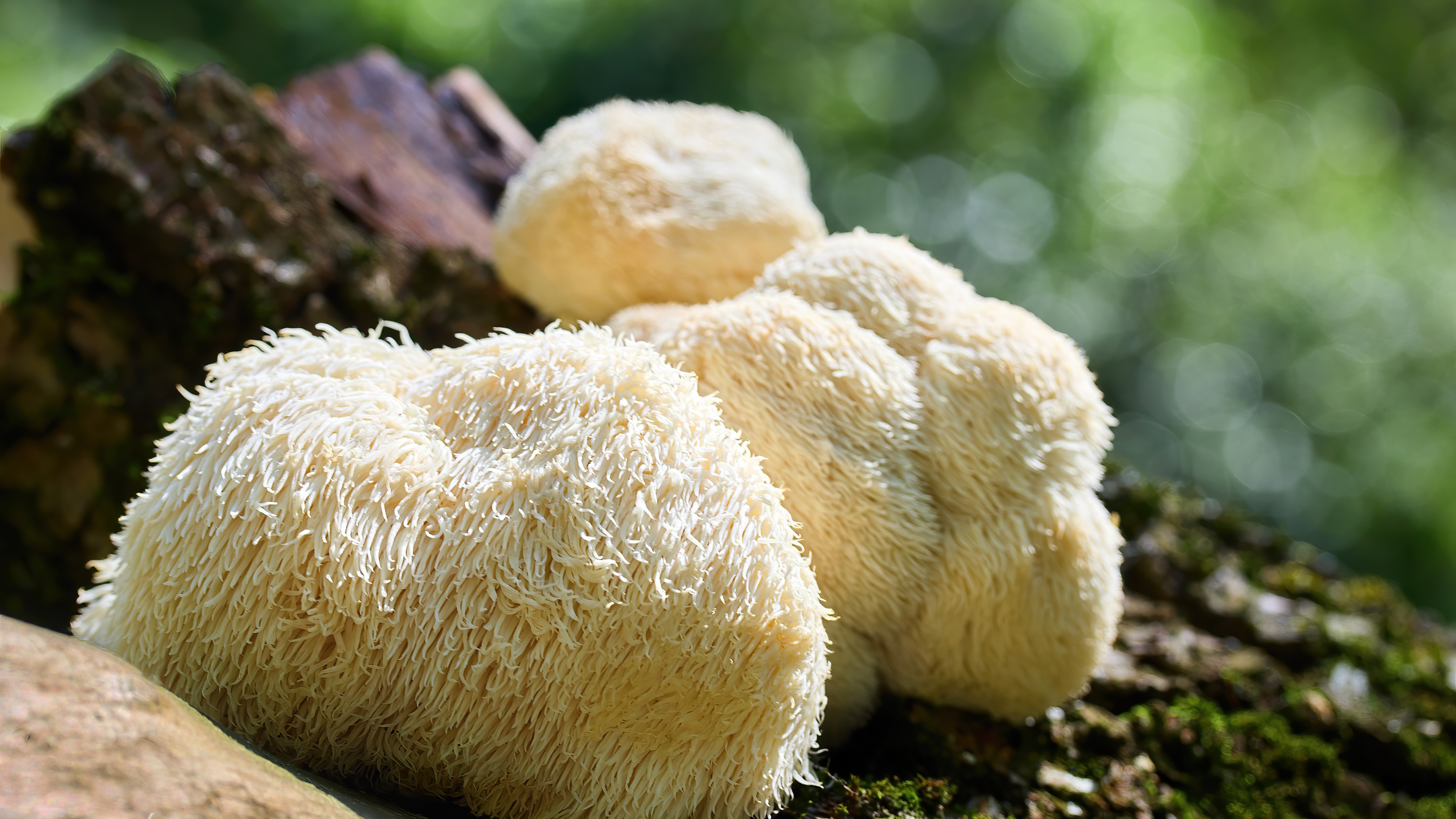
1. Lion's Mane (Hericium erinaceus)
Known as the "smart mushroom," Lion's Mane is prized for its ability to support memory, focus, and overall brain health. It contains unique compounds called hericenones and erinacines, which research suggests can stimulate the production of Nerve Growth Factor (NGF).
Target: Focus, mental clarity, and neuroprotection.
2. Reishi (Ganoderma lucidum)
Reishi is the ultimate adaptogen. Historically known as the "Mushroom of Immortality," it is used to calm the nervous system, reduce the impact of stress, and support deep, restorative sleep.
Target: Stress resilience, mood support, and immune balance.
3. Cordyceps (Cordyceps militaris or sinensis)
While often associated with physical energy and athletic performance, Cordyceps also supports mental stamina. By enhancing cellular oxygen utilization and ATP production, it helps combat mental fatigue during long workdays.
Target: Clean energy, stamina, and combatting brain fog.
Formulation Tips for a Premium Product
The efficacy of a functional mushroom product hinges entirely on the quality of the raw materials. Here is what you need to consider when formulating:
Fruiting Body vs. Mycelium
Consumers are increasingly educating themselves on the difference between the mushroom's fruiting body (the above-ground part) and the mycelium (the root-like network).
Fruiting Body: Generally richer in beta-glucans and the active compounds consumers are looking for.
Mycelium on Grain (MOG): Often contains a high percentage of residual starch from the grain it was grown on. Recommendation: Always specify the source on your label. Extracts made from 100% fruiting bodies generally command a higher premium in the market.
Dual Extraction Methods
Many of the beneficial compounds in mushrooms (like triterpenes in Reishi) are alcohol-soluble, while others (like beta-glucans) are water-soluble. Using a dual-extracted raw material ensures that your final product contains the full spectrum of active compounds.
Standardization
To ensure consistency batch after batch, look for mushroom extracts standardized to a specific percentage of active components. For example, standardizing Lion's Mane for >30% Beta-Glucans provides a measurable benchmark of quality.
Complementary Nootropics
To make your Mushroom Mind Complex truly unique, consider blending functional mushrooms with other proven cognitive enhancers:
Bacopa Monnieri: For memory retention and learning.
L-Tyrosine: To support dopamine production during stressful situations.
Alpha-GPC: An highly bioavailable source of choline to fuel brain function.
Manufacture with Confidence
At Enova Science, we specialize in handling complex botanical and fungal extracts. Whether you are looking to create a high-potency mushroom capsule, a water-soluble coffee mix-in powder, or a cutting-edge liposomal liquid, our cGMP-certified facility is ready to scale your brand.
Ready to formulate the ultimate nootropic mushroom blend? Connect with our team to explore your options.
